Illegal Migration: A Growing Disaster for the European Union
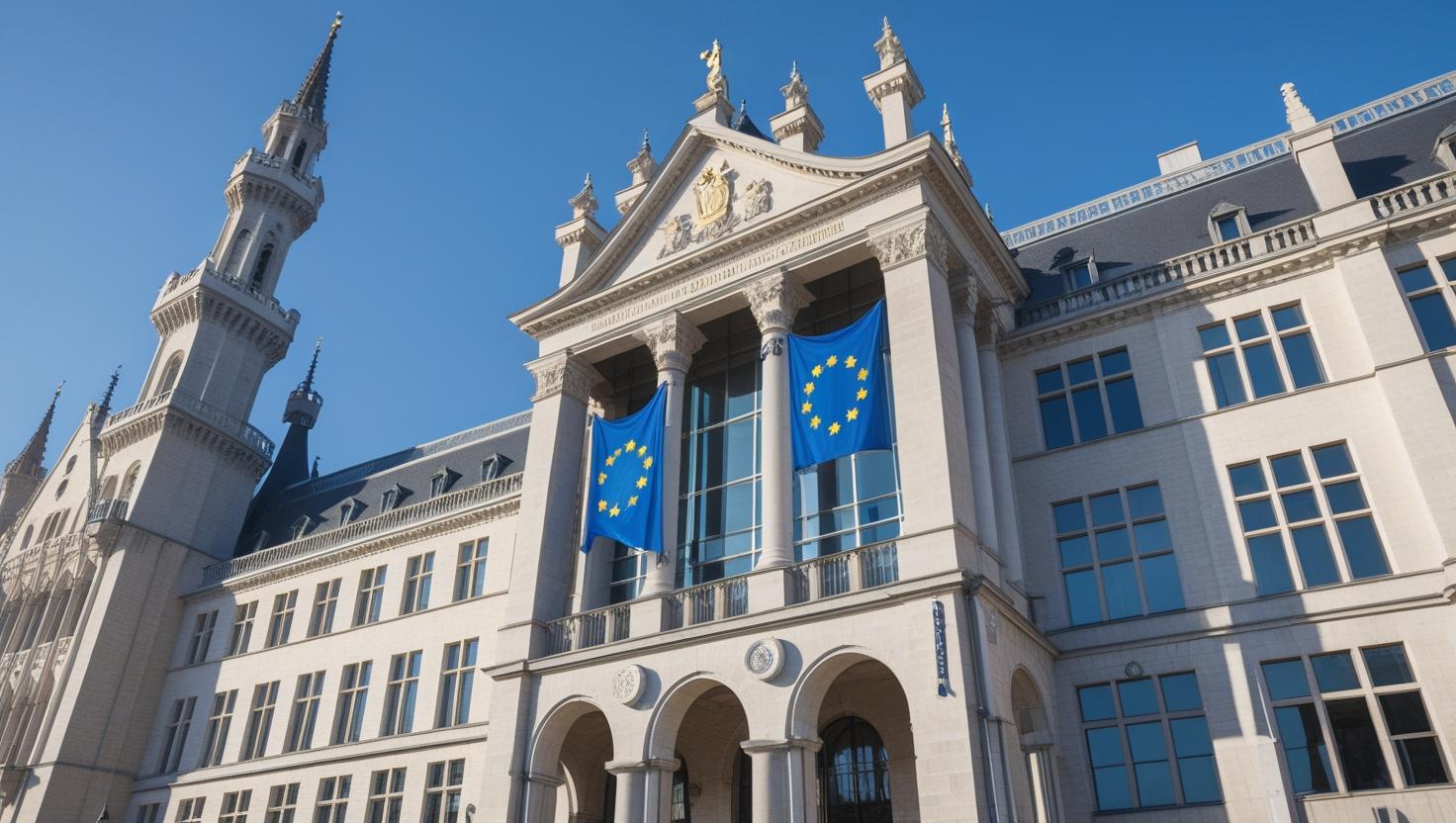
The European Union has long upheld values of human rights and open borders within its member states. But in recent years, illegal migration has become a growing crisis—quietly undermining those very principles. As numbers rise and policies lag, EU governments are facing difficult questions about enforcement, security, and social स्टेबिलिटी। https://www.europarl.europa.eu/portal/en
A Growing Problem, in Plain Sight
It’s not just about numbers anymore, but what they mean for the future of Europe. In 2023 alone, EU countries issued nearly half a million return orders to non-EU nationals staying without legal permission. The catch? Less than a quarter of them actually left.
Many simply vanished from the system. Others found loopholes by moving to another EU state. The result is a cycle that weakens immigration control and erodes public confidence in government institutions.
The Ripple Effects on Society
The presence of large numbers of undocumented migrants brings real-world consequences that go beyond politics:
- Public Services Are Overwhelmed: Schools, hospitals, and welfare offices in high-density areas are struggling to cope.
- Security Becomes Harder to Manage: Without proper identification, it’s impossible to know who poses a risk and who doesn’t.
- The Informal Economy Grows: Irregular migrants often work in low-paying, off-the-books jobs, leaving local workers at a disadvantage.
- Politics Turn Volatile: The crisis is feeding into the narrative of far-right movements and anti-immigrant rhetoric.
These issues don’t exist in a vacuum. They shape the daily lives of citizens and influence elections across Europe.
Why Policies Aren’t Working
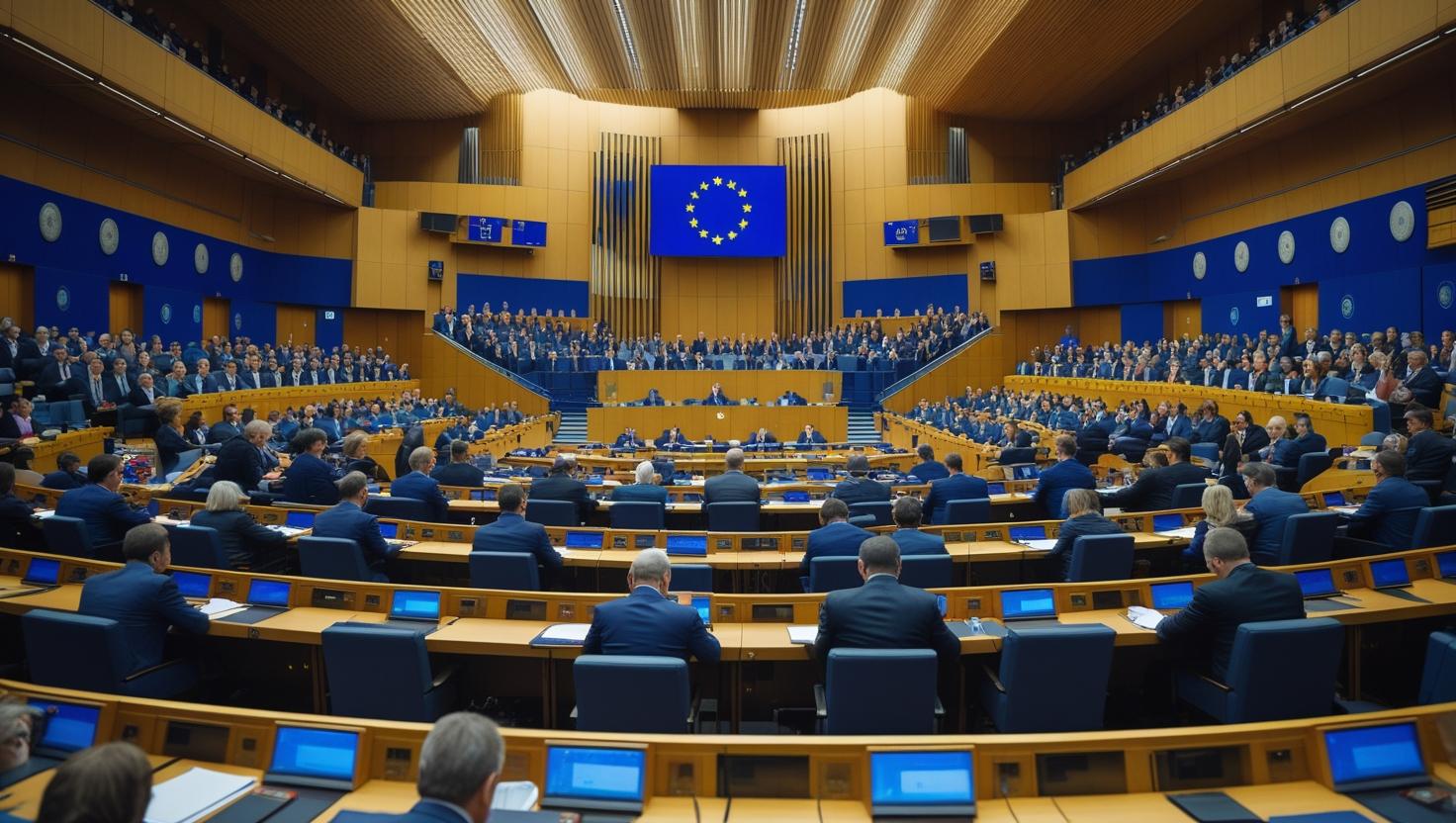
There are already EU-wide rules in place—like the Return Directive—but the lack of coordination between member states makes enforcement patchy. A migrant ordered to leave in one country can simply move to another. Until this legal gray area is resolved, return decisions are unlikely to mean much.
The EU’s 2025 proposal for a Common European Return System aims to fix that. It promises faster decisions, better tracking across borders, and the establishment of “return hubs” in partner countries. Whether these reforms succeed depends on more than just policy—it’ll require political will and public support.
What Comes Next?
No country can afford to ignore the impact of uncontrolled migration. Europe must do more than just respond—it must reset the system. That means firm, fair enforcement, safer legal routes for those in need, and international cooperation to reduce push factors in migrants’ home countries.
Without serious action, illegal migration may become one of the defining crises of the EU’s future—not just a legal issue, but a test of unity, values, and leadership.