


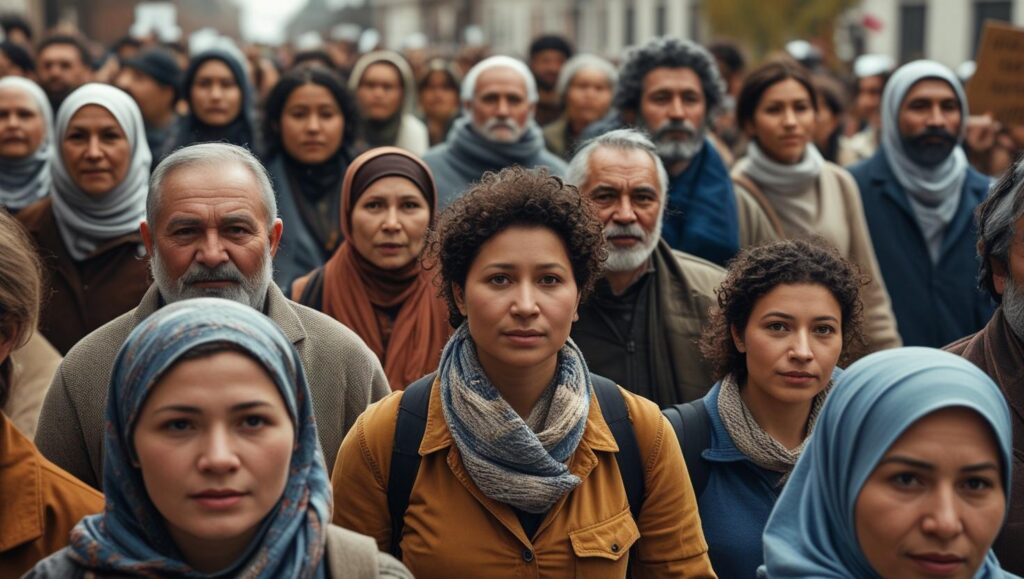
How the Middle East Migration Crisis Could Reshape the West: A Ticking Demographic and Social Time Bomb
In recent years, the Western world has found itself at the center of an unprecedented migration wave, driven by ongoing crises in the Middle East. Conflicts in Syria, Yemen, Iraq, and Afghanistan have forced millions to flee, with many seeking refuge in Europe and other parts of the West.
But beyond humanitarian headlines lies a deeper, long-term concern: How will this sustained wave of migration reshape the demographics, economy, and very identity of the Western world and the EU? Could it eventually lead to social unrest, political instability, and even survival challenges for local citizens?
Let’s explore.
A Shift in Demographics
The demographic changes triggered by mass migration are no longer just a theoretical possibility — they’re already visible.
In parts of Germany, Sweden, France, and the UK, migrant populations from the Middle East and North Africa (MENA) are growing significantly. Many towns and suburbs have seen an ethnic and cultural transformation over the last decade. If current trends continue, native-born populations will become minorities in some urban areas within a generation.
This shift raises difficult questions. Can these newcomers be integrated successfully? Will they adopt the values and laws of their host nations? Or will parallel communities emerge, eroding social cohesion?
Pressure on Resources and Services
Public services across Europe — particularly in health care, housing, education, and welfare — are already stretched. Mass migration has added an unexpected burden.
- Affordable housing is increasingly scarce, especially in major cities.
- Schools are struggling to manage rising numbers of students who don’t speak the local language.
- Welfare programs are under strain as new arrivals compete for limited resources.
In many places, local citizens now face longer waits and reduced support, leading to rising frustration and resentment.
The Political Fallout
Middle Eastern migration has become a key issue in elections across Europe. Far-right parties have gained popularity by tapping into fears over security, identity, and culture.
From Brexit to border wall debates, immigration has become one of the most divisive topics in Western politics. It’s fueling nationalism, weakening global alliances, and challenging the EU’s very foundation.
The Survival Question
If migration continues at this scale — and if assimilation fails — Western societies could face more than just cultural tension. They may confront:
- Increased social fragmentation
- Clashes over religious and legal norms
- Higher unemployment among native populations
- A rise in domestic radicalization and extremist movements
Some argue this could lead to existential challenges for European identity, democratic stability, and the social contract that binds nations together.
The Way Forward
This isn’t an argument against immigration — migration, when well-managed, brings vitality, labor, and diversity. But unchecked migration amid failing integration policies is a different story altogether.Western governments must act now:
- Enforce secure borders and fair asylum systems.
- Invest in genuine integration programs with language training, civic education, and job access.
- Rebuild public trust by being transparent and firm in policy.
- Address root causes in the Middle East through diplomacy and targeted aid.
Final Thoughts
The Middle East migration crisis isn’t just about borders — it’s about the future fabric of Western society. If handled carelessly, it may reshape Europe and the West in ways no one intended. The time to have an honest conversation is now — before the crisis becomes irreversible.